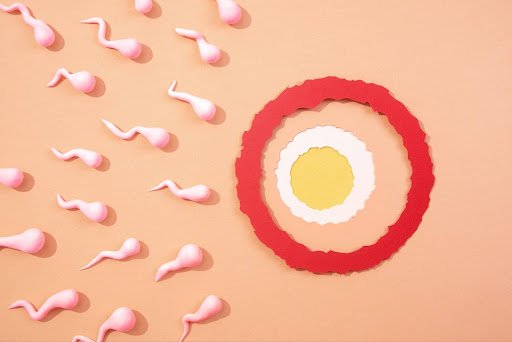
The magic of life is initiated with two individual cells, which are known as sperm and ovum. Sperm and ovum go through various processes for a successful reproduction procedure. After successful fertilisation, the new cells formed are called zygote, which consists of some unique characteristics and inherited traits.
In this blog, we will look at the detailed version of the difference between sperm and ovum for a better understanding of sperm and ovum and their structure and characteristics.
What is Sperm?
Sperm is a male reproductive cell that is essential for the reproduction process in both animals and humans. A motile sperm consists of a tail, which is known as a fallegum and is called spermatozoa. On the other hand, non-motile sperms are known as spermatia and are formed with the help of algae and fungi.
The sperm are transferred in the process of ejaculation with the help of the penis. In the initial stage, the sperm cell is haploid and contains 23 chromosomes, which get joined with a further 23 chromosomes of female reproductive cells. After this, the haploid cell gets converted into diploid cells.
Structure of Sperm
The structure of sperm consists mainly of two parts, which are its head and tail. The head part is filled with chromatin fibres, which are present in a coiled state, and vacuoles, the nucleus. Another important part of the structure present in the head is the flattened sac-like structure of the acrosome, which is responsible for penetration.
The tail part is the longest part of the sperm, which is responsible for wave-like movement.
What is the Ovum?
The ovum is a single female reproductive cell. However, more than one cell is referred to as an ovum. This ovum is fused with sperm, and after successful fertilisation, it creates a zygote or a diploid cell.
The ovum is the largest cell present in the human body and can be seen with the naked eye. Ovum is released by ovaries on an alternate basis during the ovulation period.
Structure of Ovum
The centre part of the ovum consists of a nucleus and is named a germinal vesicle. However, the nucleolus present in the female cell is termed a germinal spot.
Ooplasm contains two types of yolk: formative and nutritive. Formative yolk is the cytoplasm of a regular animal cell.
On the other hand, the nutritive yolk (deutoplasm) is made of fatty and albuminoidal granules in the cytoplasm. This helps in the nourishment of the embryo in early mammalian development. Birds have a large amount of egg nutritive yolk to feed the chick during the entire incubation period.
What is the Difference Between Ovum and Sperm?
The difference between sperm and ovum is fundamental to human reproduction, each playing a distinct role in fertilization. Sperm are small, motile cells produced in the male reproductive system, characterised by their streamlined structure consisting of a head, midpiece, and tail (flagellum). They are designed to swim through the female reproductive tract to reach and fertilise the ovum, delivering genetic material. Sperm cells can survive in the female body for up to five days, enhancing their chances of successful fertilisation.
In contrast, the ovum, or egg, is a large, non-motile female reproductive cell produced in the ovaries. The ovum has a spherical shape and is visible to the naked eye, containing a nucleus that houses genetic material. After ovulation, the ovum has a limited lifespan of about 12–24 hours, during which it must be fertilised by a sperm. Unlike sperm, which contain either an X or Y chromosome determining the offspring’s sex, the ovum always carries an X chromosome. The union of sperm and ovum results in the formation of a zygote, marking the beginning of a new individual and initiating the developmental process.
Suggest to Read:- IVF for LGBTQ+ Couples: Navigating the Journey to Parenthood
Conclusion
Understanding the difference between sperm and ovum is essential in comprehending the intricate process of human reproduction. While sperm are motile and produced in large quantities, ova are larger, immobile, and produced in smaller numbers. Both play critical roles in the fertilization process, leading to the formation of a zygote, which ultimately becomes a new organism.
Faqs
What is the major difference between sperm and ovum?
Sperm are motile cells that are formed in the male reproductive system; on the other hand, eggs are imotile and formed in ovaries present in the female reproductive system.
What is the combination of sperm and ovum?
The successful fertilised combination of sperm and ovum is known as a zygote. It’s the first cell of a new organism, formed through fertilization. The zygote contains the genetic material from both the sperm and ovum.
What do sperm and ovum become?
The sperm and ovum become zygote, which is the fertilised egg. The zygote then travels down the fallopian tube and implants itself in the uterine wall. If the pregnancy is successful, the zygote will develop into an embryo and then a foetus.